

Mid Drop Fade Haircut
If you’re tired of the same old fade, the mid drop fade haircut might be your next favorite look. This cut mixes a classic mid fade with a curved drop line behind the ear, giving you a sharp, modern style that works for almost any face shape or hair type. Ready to learn everything about it? Let’s dive in.
What is a mid drop fade?
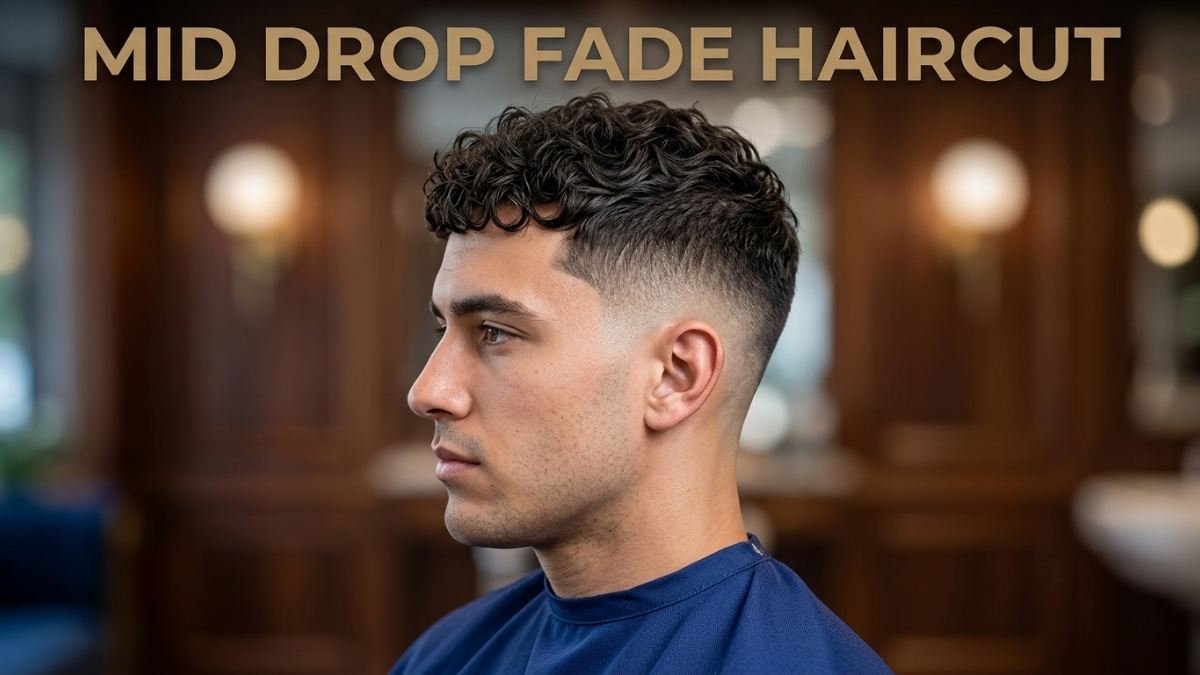
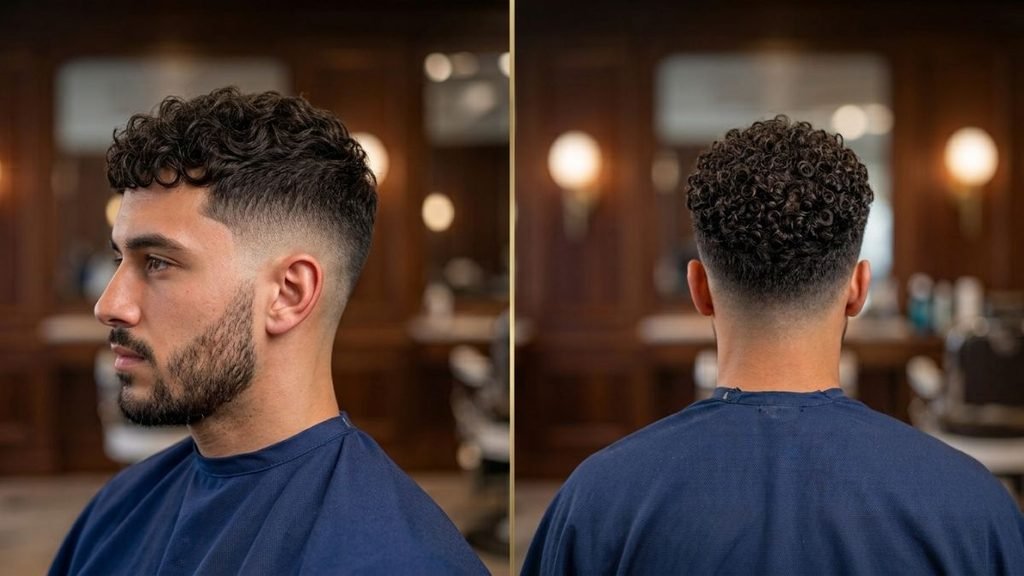
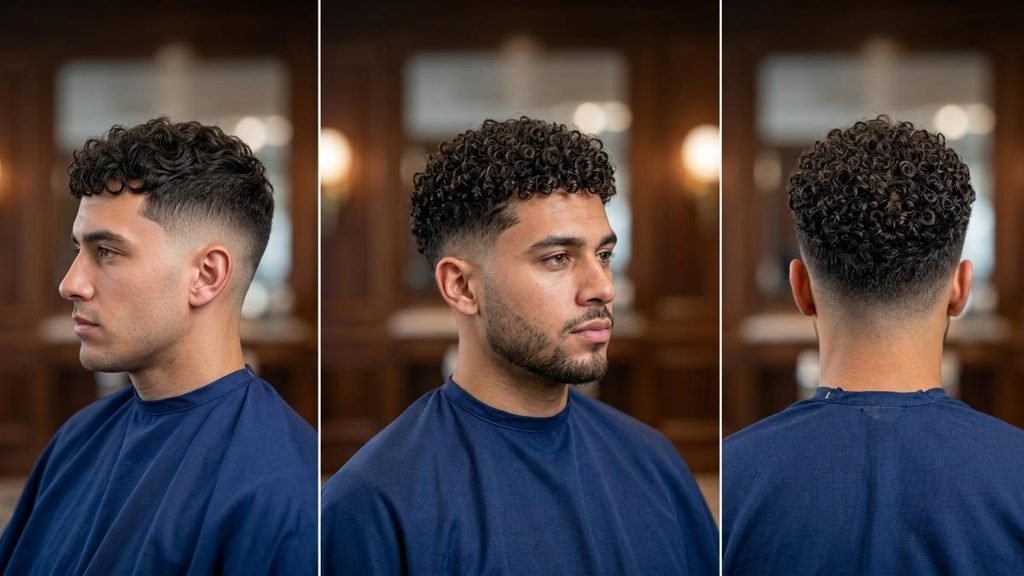
A mid drop fade is a haircut where the fade starts around the middle of your head, usually near the temple, then curves or “drops” down behind the ear toward the nape of the neck. Instead of a straight fade line, you get a gentle curve that follows your head shape.
This curve is what separates a mid drop fade from a regular mid fade. A standard mid fade keeps a level line all the way around. A drop fade dips lower behind the ear, which creates a cooler, more custom look. Many barbers also call this style a drop fade haircut or simply a mid fade haircut with a drop.
Think of it like this. A regular fade is a straight highway. A drop fade is that same highway with one smooth curve, built to match the natural shape of your skull. It’s small detail. But it makes a big difference in how sharp the cut looks.
The mid drop fade haircut has grown popular because it works with almost any hairstyle on top. Curls, waves, straight hair, or a buzzed crop all pair well with this fade. That’s a big reason barbers see so many requests for it these days, right alongside the ever popular burst fade taper haircut.
How it’s cut
Getting a clean mid drop fade takes skill, patience, and the right tools. Here’s how a good barber builds the cut from start to finish.
Consultation & sectioning
Every great haircut starts with a conversation. Your barber will ask about the length you want on top, how short you want the sides, and whether you want a straight or curved drop line. They’ll also check your hair growth pattern and head shape, since these affect how the fade blends.
During this step, bring a mid drop fade reference photo if you have one. A picture helps your barber understand exactly what you want, especially if you’re mixing it with something like a burst fade taper haircut on the back.
After the chat, your barber sections your hair with clips or a comb. This keeps things organized and makes sure no area gets missed.
Set the baseline
Next, the barber sets the baseline length. This means picking the guard size for the shortest part of the fade, usually near the ear and neckline. Common choices include the #0 guard, #0.5 guard, or #1 guard, depending on how short you want to go.
This baseline acts like the foundation of a house. Everything else gets built on top of it, so it needs to be even and precise.
Mark the drop line
Here’s where the magic happens. The barber marks where the fade will “drop” behind the ear. Instead of keeping a flat line around the head, they curve it downward, following the shape of the skull toward the nape of the neck.
This step takes real skill. One wrong move and the line looks uneven. That’s why it’s smart to visit an experienced mid drop fade barber rather than trying this cut yourself.
Blend the taper
Now the barber blends everything together using clipper-over-comb work or a shorter guard size, like a #1.5 guard or #2 guard. This step, often called a taper blend or fade blend, removes any harsh lines between the different lengths.
Good blending is what makes a fade look professional instead of choppy. Barbers often use a swiping, circular motion to soften each transition point.
Learn More: Mid Drop Fade Curly Hair: The Complete Guide to Getting It Right
Drop into the nape
The fade continues to curve downward until it reaches the nape of the neck. This is the lowest point of the drop, and it should flow smoothly without any bumps or gaps.
A skilled barber will check this area from multiple angles using a mirror. Even a small unevenness here can throw off the whole cut.
Finish & style the top
Finally, it’s time for the top. Depending on your preference, the barber might use scissor work for a longer, textured look or clippers for something shorter and cleaner. This is where you decide if you want a mid drop fade with quiff, a mid drop fade with pompadour, or something more low key like a mid drop fade buzz cut.
Once the cut is done, styling product like matte clay or pomade helps hold everything in place.
Who Does a Mid Drop Fade Suit?
Almost anyone can rock a mid drop fade haircut, but some face shapes and hair types make it look even better.
By face shape
Here’s a quick breakdown of how this cut works with different face shapes.
| Face Shape | How the Mid Drop Fade Helps |
|---|---|
| Mid drop fade round face | Adds height and angles, making the face look longer |
| Mid drop fade oval face | Works with almost any style since oval faces are naturally balanced |
| Mid drop fade square face | Softens strong jawlines with curved fade lines |
| Mid drop fade long face | Keeps sides tighter to avoid making the face look longer |
| Mid drop fade heart-shaped face | Balances a wider forehead with a fuller top |
No matter your face shape, a good barber can adjust the drop line and top length to flatter your features.
By hair type
Hair type also plays a big role in how this cut turns out.
- Mid drop fade straight hair lays flat and shows off crisp fade lines easily.
- Mid drop fade wavy hair adds natural texture and movement on top.
- Mid drop fade curly hair creates volume and a fun, bouncy look, especially with a mid drop fade with curls style.
- Mid drop fade textured hair and mid drop fade black men styles often pair beautifully with this fade, since the contrast between short sides and textured top really pops.
Whatever your hair texture or hair density, there’s a version of this cut that works for you.
Who Should Avoid a Mid Drop Fade?
This cut isn’t perfect for everyone. Here are a few situations where it might not be the best pick.
- Very fine or thinning hair. The sharp contrast of a fade can make thin spots more noticeable.
- Unusual cowlicks near the ears. These can fight against the drop line and cause bumps.
- Guys who want zero maintenance. Fades grow out fast and need regular touch-ups.
- First time clients with an inexperienced barber. This cut requires precision, so a shaky hand can ruin the look.
If any of these sound like you, talk to your barber about alternatives before committing.
Mid Drop Fade Styles
The beauty of the mid drop fade haircut is how many ways you can style it. Here are some popular combos.
- Mid drop fade with quiff for a bold, voluminous top.
- Mid drop fade with pompadour for a classic, polished vibe.
- Mid drop fade slick-back for smooth, business ready style.
- Mid drop fade comb-over for a clean, professional finish.
- Mid drop fade with fringe for a trendy, youthful edge.
Each style shifts the overall vibe while keeping that signature curved fade line intact.
Mid Drop Fade Sub-Styles
Beyond the basics, barbers have created some fun variations worth knowing about.
- Mid drop fade mullet. Short on the sides, longer in the back, perfect for guys who want something unexpected.
- Mid drop fade line-up. Adds a crisp, straight hairline for extra sharpness up front.
- Mid drop fade bald fade. Takes the drop all the way down to skin for maximum contrast.
- Mid drop fade with beard. Connects the fade smoothly into a beard fade for a fully polished look.
One barber summed it up nicely: “A drop fade with a clean beard connection is one of the most requested combos I do every week.”
Mid Drop Fade vs Other Fades
Wondering how this cut stacks up against other popular fades? Here’s a side by side look.
| Fade Type | Fade Height | Best For |
| Low drop fade | Starts low, near the ear | Subtle, conservative look |
| High drop fade | Starts higher on the head | Bold, high contrast style |
| Mid taper fade | Middle height, no curve | Classic, traditional fade |
| Burst fade taper haircut | Curves around the ear only | Rounded, unique shape |
| Skin fade | Fades all the way to skin | Maximum contrast and edge |
The burst fade taper haircut deserves a special mention here, since it’s often confused with the mid drop fade. While a mid drop fade curves down toward the nape, a burst fade taper haircut curves in a half circle just around the ear, without dropping toward the back of the neck. Both cuts share that curved, custom feel, but the shape and direction of the curve set them apart.
If you love the burst fade taper haircut but want something that flows further down the neckline, the mid drop fade is a natural next step.
Common Mistakes
Even a great haircut can go wrong. Watch out for these common slip ups.
- Skipping the reference photo. Words alone can’t always explain the exact curve you want.
- Choosing an inexperienced barber. This cut needs steady hands and real fade experience.
- Not maintaining it. Fades grow out fast, so skipping touch-ups ruins the sharp look quickly.
- Ignoring your hair growth pattern. Cowlicks and swirls can mess with the drop line if not planned for.
- Ignoring beard connection. If you have a beard, forgetting the fade blend into your beard trim can leave a messy transition.
Avoiding these mistakes keeps your mid drop fade haircut looking fresh longer.
Pros and Cons
Like any style, this cut has its ups and downs.
Pros
- Super versatile. Works with straight, wavy, curly, and coily hair.
- Flatters most face shapes. From round to square to heart-shaped.
- Pairs with tons of top styles. Quiff, pompadour, slick-back, and more.
- Modern, sharp look. Stands out from a basic fade.
- Works great with beards. Easy to blend into a beard fade.
Cons
- Needs frequent touch-ups. Usually every two to three weeks.
- Requires a skilled barber. Not ideal for DIY beginners.
- Can be pricier. More detailed cuts often cost more.
- Grows out fast. The sharp line softens within days.
Is a Mid Drop Fade Right for You?
So, should you get this cut? If you want a bold, custom look that works with your face shape and hair type, the answer is probably yes. It’s a great pick if you’re willing to visit the barber every couple weeks and don’t mind a bit of upkeep.
On the other hand, if you want something low maintenance or have very fine hair, you might want to explore softer options like a taper or a classic burst fade taper haircut instead.
Frequently Asked Questions
How much does a mid drop fade haircut cost?
Prices vary by location, but expect to pay between $25 and $60 depending on your barber’s experience and where you live.
Can I do a mid drop fade at home?
It’s possible with practice and the right clippers, but this cut is tricky. Most people get better results visiting a professional barber.
How often do I need a touch-up?
Most guys go back every two to three weeks to keep the fade sharp.
Is a mid drop fade the same as a burst fade taper haircut?
Not quite. A burst fade taper haircut curves in a half circle around the ear, while a mid drop fade curves further down toward the nape.
Can curly hair get a mid drop fade?
Absolutely. A mid drop fade curly hair style actually looks amazing, since the curls add great contrast against the tight fade.
Does this cut work for older men too?
Yes. This style isn’t just for younger guys. It works at any age, especially when paired with a clean beard trim.
Conclusion
The mid drop fade haircut blends sharp barbering with a custom curve that suits nearly every face and hair type. Whether you pair it with curls, a quiff, or a burst fade taper haircut twist, it delivers a fresh, standout look. Ready to try it? Bring a photo, find a skilled barber, and enjoy the compliments rolling in.

Emily Carter
Emily Carter is a hair and beauty writer who shares practical hair-care tips, hairstyle ideas, styling inspiration, and the latest hair trends. Through Fashquin, she aims to make hair content simple, useful, and enjoyable for readers looking for fresh ideas and everyday hair inspiration.
